HubSpot CRM is one of the best CRM software platforms in 2025, offering a genuinely free CRM solution that provides powerful features without upfront costs.
Built for growing businesses, HubSpot CRM combines ease of use, scalability, and essential sales automation tools, making it one of the best CRM options for startups and small companies adopting structured customer relationship management.
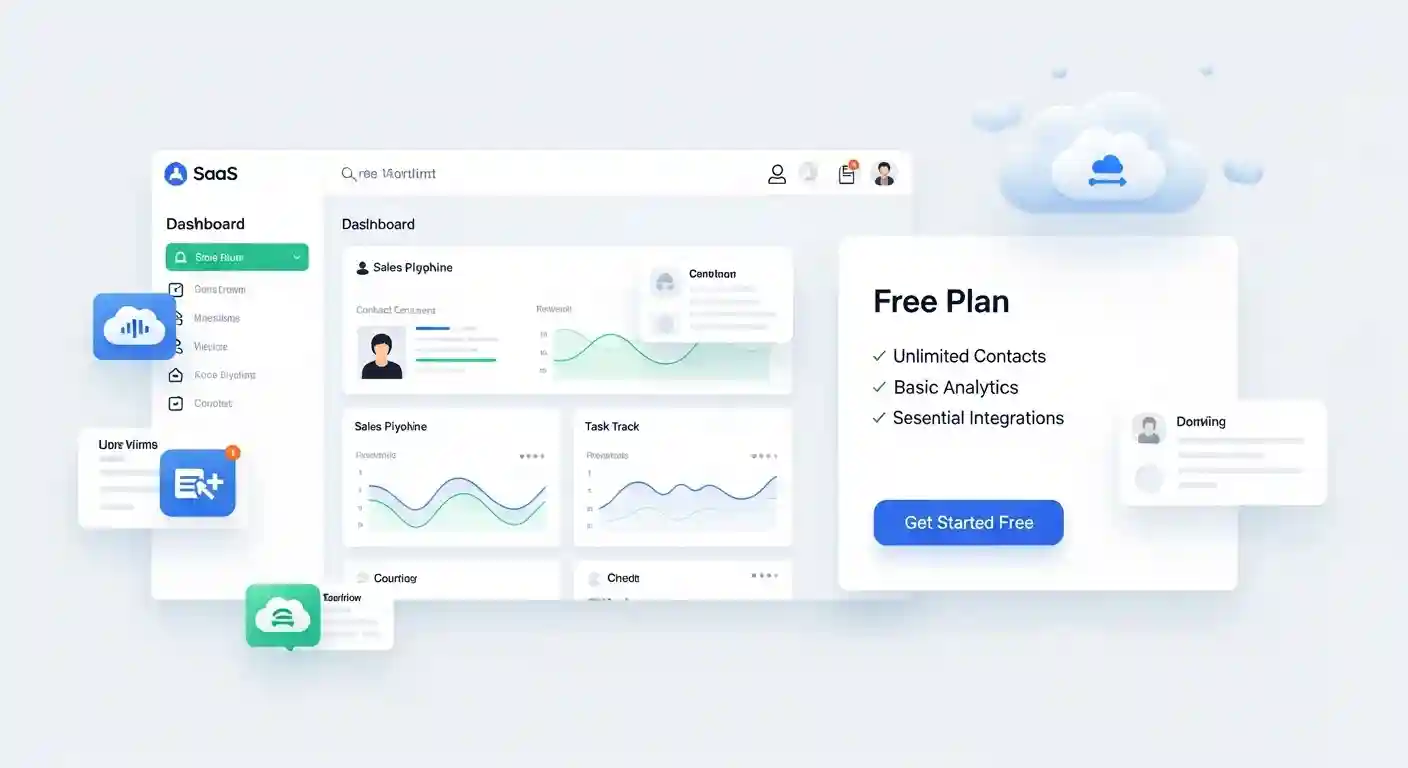
HubSpot CRM has reshaped the CRM software market by proving that professional CRM functionality does not require expensive subscriptions. Its free CRM platform supports up to 1 million contacts and unlimited users, allowing companies to manage customers, leads, and pipelines without financial barriers. This approach has made HubSpot CRM one of the most accessible cloud-based CRM platforms in 2025.
A major differentiator behind HubSpot CRM is its freemium model that provides real value instead of functioning like a limited trial. Many businesses continue using the free plan for years, tracking customer interactions, managing deal stages, and measuring sales performance without needing upgrades. This has helped millions of organizations worldwide adopt CRM systems early in their growth journey.
HubSpot CRM also stands out because of its clean interface and integration ecosystem. Businesses can connect marketing tools, customer support systems, email platforms, and analytics software to create a centralized customer data hub that improves operational efficiency and long-term growth.
What Is HubSpot CRM?
HubSpot CRM is a cloud-based customer relationship management platform that serves as the foundation of HubSpot’s connected marketing, sales, and service ecosystem. It provides a centralized system for managing contacts, tracking deals, automating sales activities, and monitoring customer engagement through an intuitive interface.
Unlike complex CRM software that requires heavy setup and technical configuration, HubSpot CRM is designed for immediate adoption. Businesses can create an account and start managing customer relationships within minutes through guided onboarding, built-in workflows, and smart defaults that reduce learning time.
The free HubSpot CRM plan includes contact management, deal tracking, email sync, activity logging, and basic reporting dashboards. This allows startups and small businesses to experience professional CRM workflows before upgrading to advanced paid tools.
HubSpot CRM runs fully on the cloud, ensuring secure access anytime. Real-time synchronization keeps customer information consistent across devices and tools. Its mobile CRM application further supports field sales and remote teams by enabling full CRM functionality on smartphones and tablets.
Key Features of HubSpot CRM
Contact Management
HubSpot CRM automatically captures and organizes customer data from emails, forms, live chat, and website activity. Contact records include engagement history and company details, allowing personalized outreach and stronger customer relationships.
Deal Pipeline Management
Visual sales pipeline management enables teams to track opportunities from lead to closed deal. Customizable pipeline stages reflect real sales processes, and drag-and-drop updates keep deal tracking fast and user-friendly.
Email Integration and Tracking
Email integration lets users connect their inbox, log conversations automatically, and track opens and clicks in real time. This improves follow-up accuracy and increases engagement across sales outreach.
Free Live Chat and Chatbots
HubSpot CRM includes free live chat and chatbot features that help businesses engage visitors instantly. Chatbots can qualify leads, book meetings, and route conversations to teams, improving lead generation and response speed.
Sales Automation Tools
HubSpot CRM provides basic automation tools such as lead assignment, task creation, email follow-ups, and record updates. While advanced automation exists in paid plans, the free tools still provide meaningful productivity benefits for small teams.
Reporting and Analytics
Built-in dashboards and reporting provide visibility into deal stages, pipeline performance, and sales activity. These reports support data-driven decision-making without overwhelming users with complex analytics setups.
Mobile CRM Application
HubSpot’s mobile CRM app allows teams to access contact data, manage deals, and track communication anywhere. This ensures productivity even when working outside the office.
Use Cases of HubSpot CRM in Real Businesses
Startups and small businesses use HubSpot CRM to establish structured pipelines without investing in paid CRM tools. The free plan supports lead capture, follow-up tracking, and scalable deal management as teams expand.
Marketing agencies use HubSpot CRM to align marketing and sales efforts. Agencies manage client relationships, track progress, and integrate campaigns with CRM contact data to support performance and revenue growth.
E-commerce businesses use HubSpot CRM to monitor customer behavior, purchase history, and engagement data. Store integrations enable workflows that support customer retention, upselling, and repeat purchases.
Professional services companies rely on HubSpot CRM to manage long-term client relationships involving multiple touchpoints. Centralized interaction history helps maintain consistency across sales, delivery, and support.
SaaS and technology businesses adopt HubSpot CRM to manage demos, trials, and subscription conversions. Integrations with product analytics tools support sales strategies by revealing customer behavior signals.
Pros and Cons of HubSpot CRM
Pros
HubSpot CRM offers one of the strongest free CRM plans available, including unlimited users, large-scale contact management, and deal pipeline tracking. These features often cost premium pricing in competing platforms.
The interface is easy for teams to adopt quickly, reducing training needs and increasing productivity. Its large integration ecosystem helps businesses connect tools and avoid data silos.
HubSpot CRM also provides a clear upgrade path, allowing businesses to start free and expand gradually by adding paid hubs only when advanced features become necessary.
Cons
HubSpot paid plans can become expensive for growing businesses that require advanced automation, reporting, and customization. Pricing structure across hubs may increase overall ownership costs.
Customization options are not as deep as enterprise CRM platforms like Salesforce, which may limit complex workflow needs.
The free plan, although strong, has feature limits that can eventually push scaling teams toward paid subscriptions.
Final Verdict: Is HubSpot CRM Worth It in 2025?
HubSpot CRM remains one of the best CRM software options in 2025 for businesses that want a professional, scalable, and genuinely free customer relationship management platform. It is especially ideal for startups and small companies seeking immediate value without financial commitment.
For organizations with simple to moderately complex sales processes, HubSpot CRM delivers excellent usability, smooth integrations, and reliable performance. Its freemium design makes it a long-term CRM platform rather than a short-term starter tool.
However, businesses with advanced customization needs or strict long-term budgets should evaluate the costs of paid upgrades carefully. HubSpot becomes powerful at scale, but pricing can rise once premium automation and analytics become essential.
Overall, HubSpot CRM’s biggest strength is removing barriers to adoption. By offering a truly functional free CRM platform with a clear growth path, HubSpot CRM continues to be one of the most trusted entry-level CRM systems in 2025.